Sports

Physical Education.

IMOPEKSIS: An Innovative Development Method for Your Child at Our School

1. New Horizons in Physical Education

Dear Parents,

We firmly believe in the vital role you play in your children’s development and remain fully committed to creating a supportive and inspiring educational environment. It is with great pleasure that we introduce a groundbreaking initiative: the integration of the IMOPEKSIS method into our primary school’s physical education curriculum. This marks an important step towards the holistic development of every pupil, going far beyond the traditional approach to physical activity.

We believe that this innovative method will support children in becoming well-rounded individuals, equipped to thrive in an increasingly unpredictable world – often referred to as the VUCA world (Volatile, Uncertain, Complex, and Ambiguous). The introduction of IMOPEKSIS follows a period of careful planning and professional training. Our physical education teacher and parent liaison, Mr Tomasz Wojnowski, has completed specialised training for parents, teachers, and coaches, and is certified in the IMOPEKSIS methodology. His dedication to professional development ensures the highest standard of teaching and enables us to make the most of this method in our work with children.

We warmly encourage you to get involved, ask questions, and join us in this exciting journey. We believe that genuine partnership between school and home is key to fully unlocking the potential of the IMOPEKSIS method and offering your child the very best conditions for growth and learning. If you have any questions, please don’t hesitate to contact Mr Wojnowski, who will be happy to provide further information.

2. What is the IMOPEKSIS Method?

The IMOPEKSIS method is a comprehensive, innovative teaching and training system that aims to fully harness each child’s developmental potential. The name IMOPEKSIS is a loose acronym (coming from Polish) that reflects the key areas the method focuses on:

  • Intention
  • Motivation
  • Responsibility
  • Self-confidence
  • Emotions (Emotional Management)
  • Concentration (Focus)
  • Social Cohesion (Group Cohesion)
  • Intuition
  • Effectiveness

This structure clearly reflects the multi-dimensional nature of the method, which brings together different aspects of development into one coherent approach.

The main aim of IMOPEKSIS is to equip children with the skills needed to thrive in a constantly evolving world. It unites physical, psychological, and social components into a single, comprehensive educational model. It is not limited to physical fitness – instead, it promotes neuro-motor development, cognitive ability, and social intelligence.

In today’s world, success in life is often determined by so-called “soft skills”, such as teamwork, responsibility, creativity, initiative, communication, empathy, focus, stress management, self-discipline, and problem-solving. These key competencies are best developed from an early age – through everyday routines, play, sports, learning, and cultivating positive habits like responsibility and effective communication.

At its heart, IMOPEKSIS treats the student as a subject, not an object – a vital principle in shaping a child’s sense of self and social identity.

3. IMOPEKSIS in Practice: What It Means for Your Child

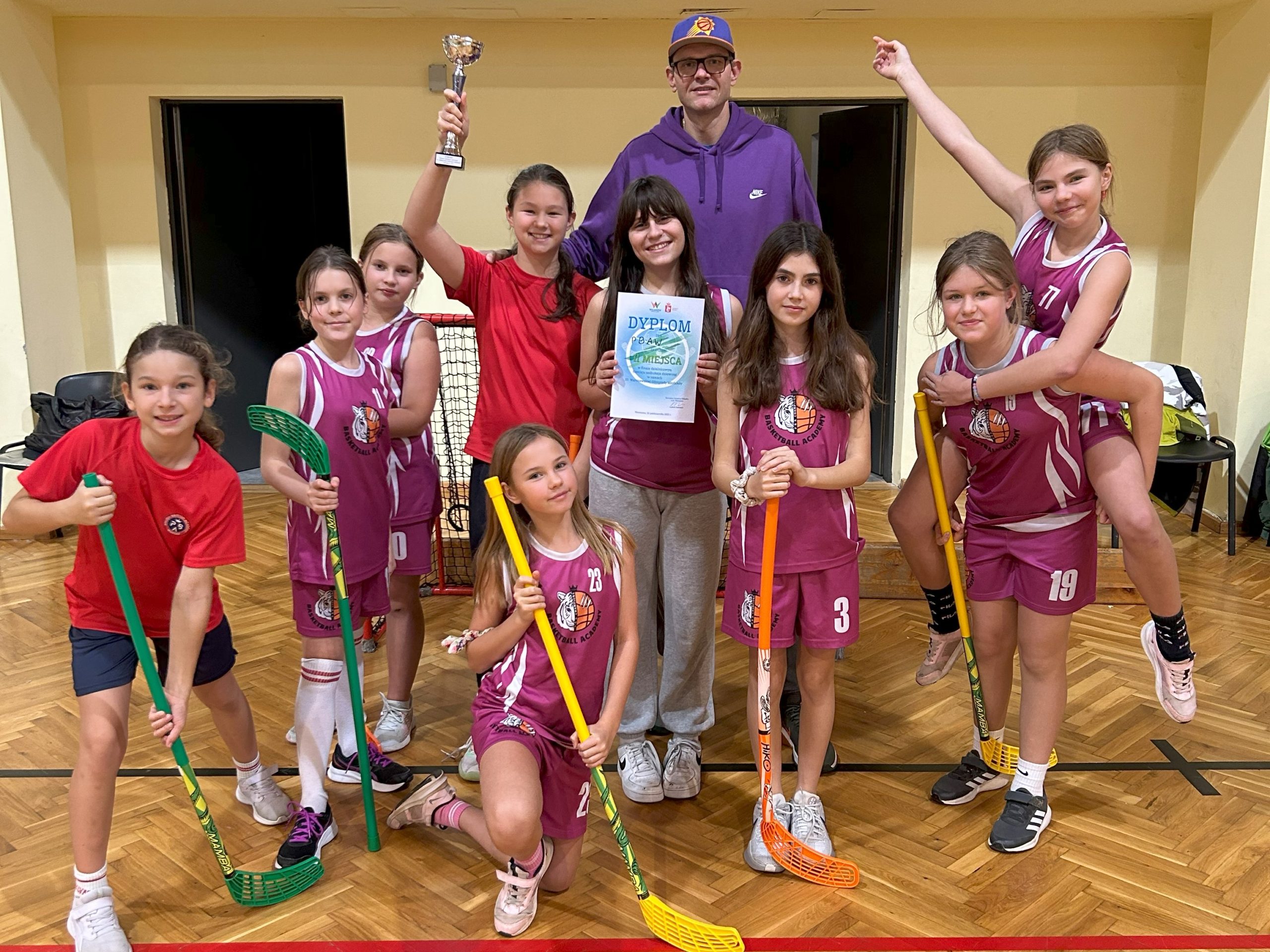
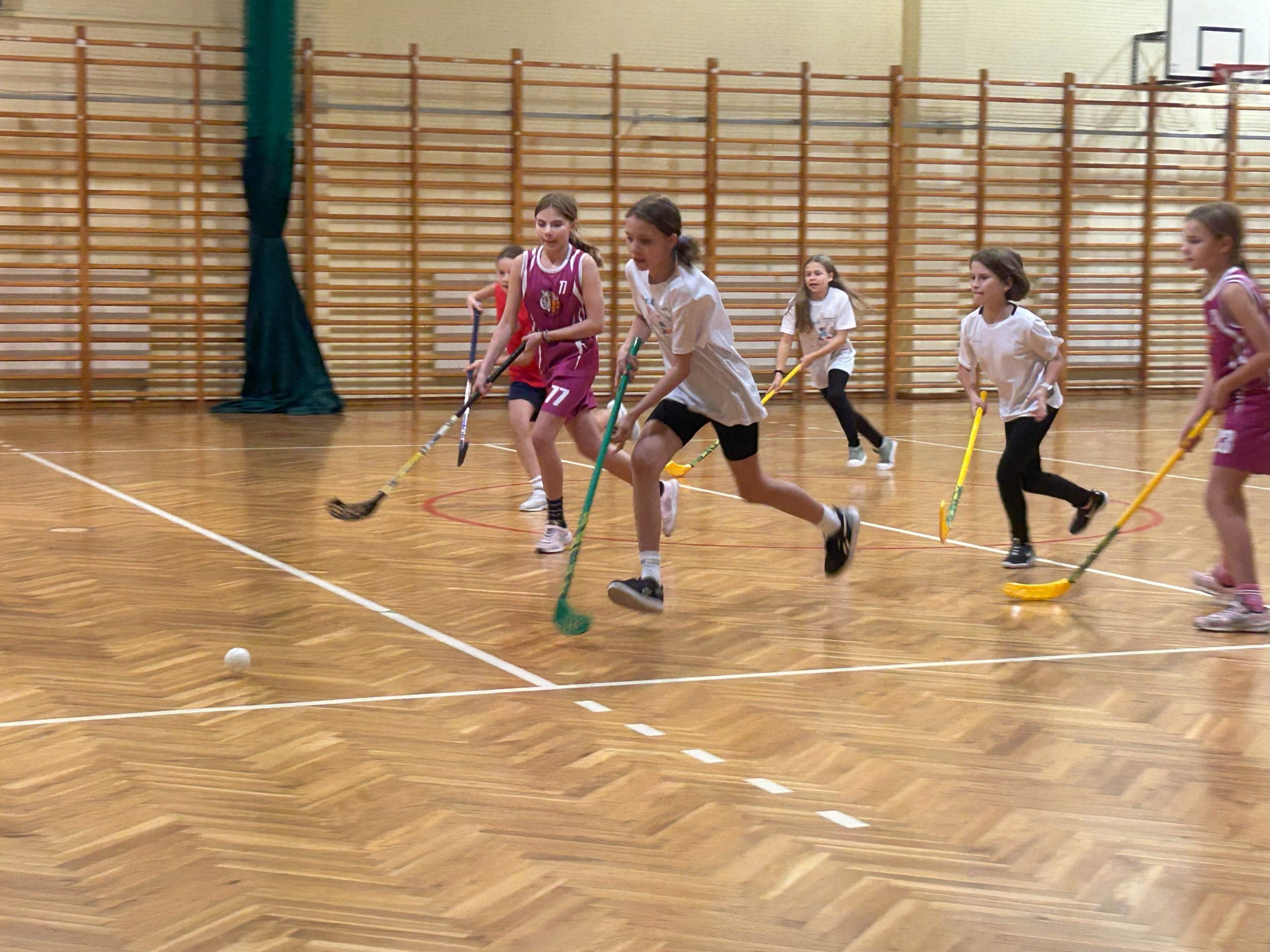
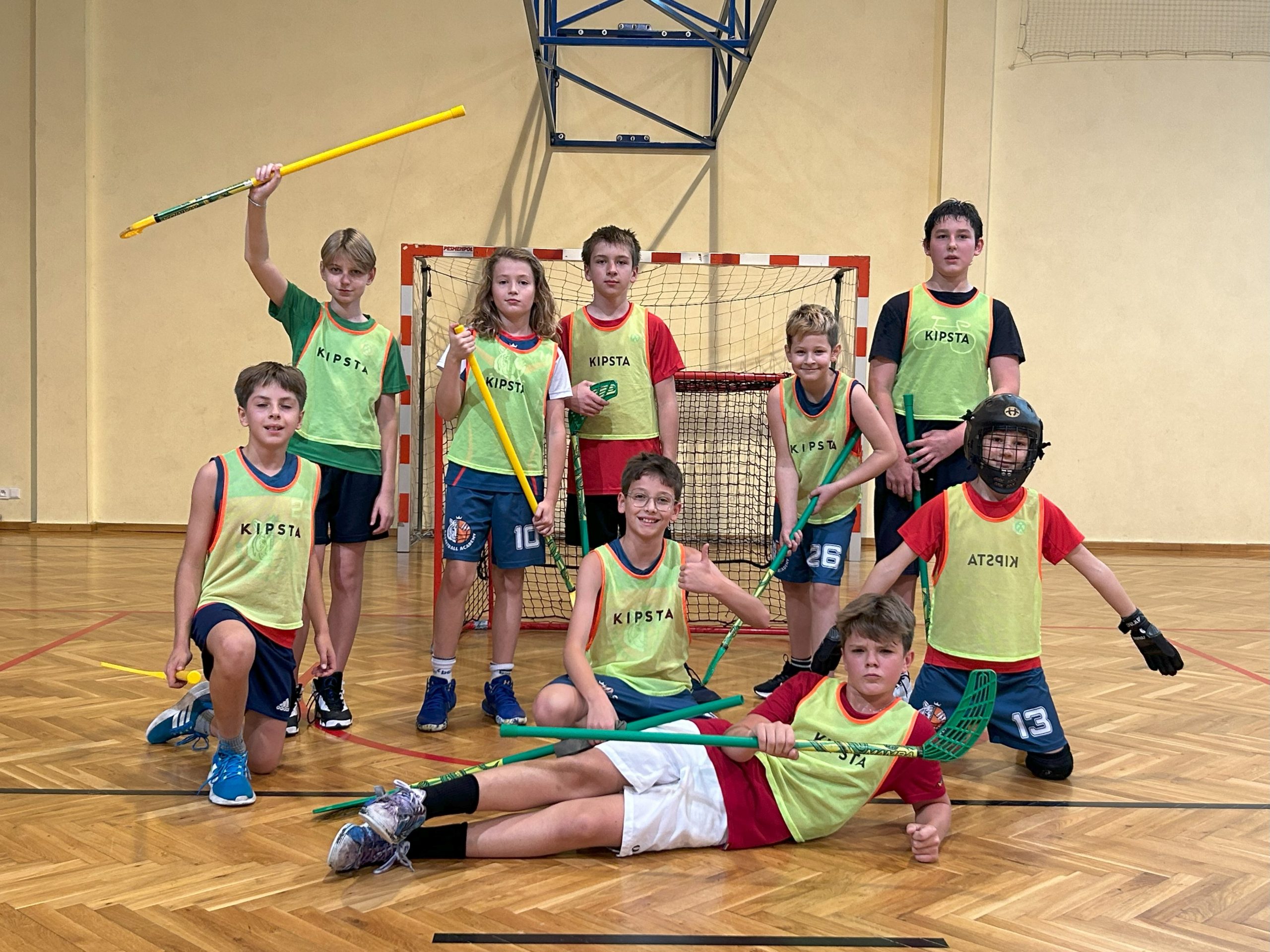
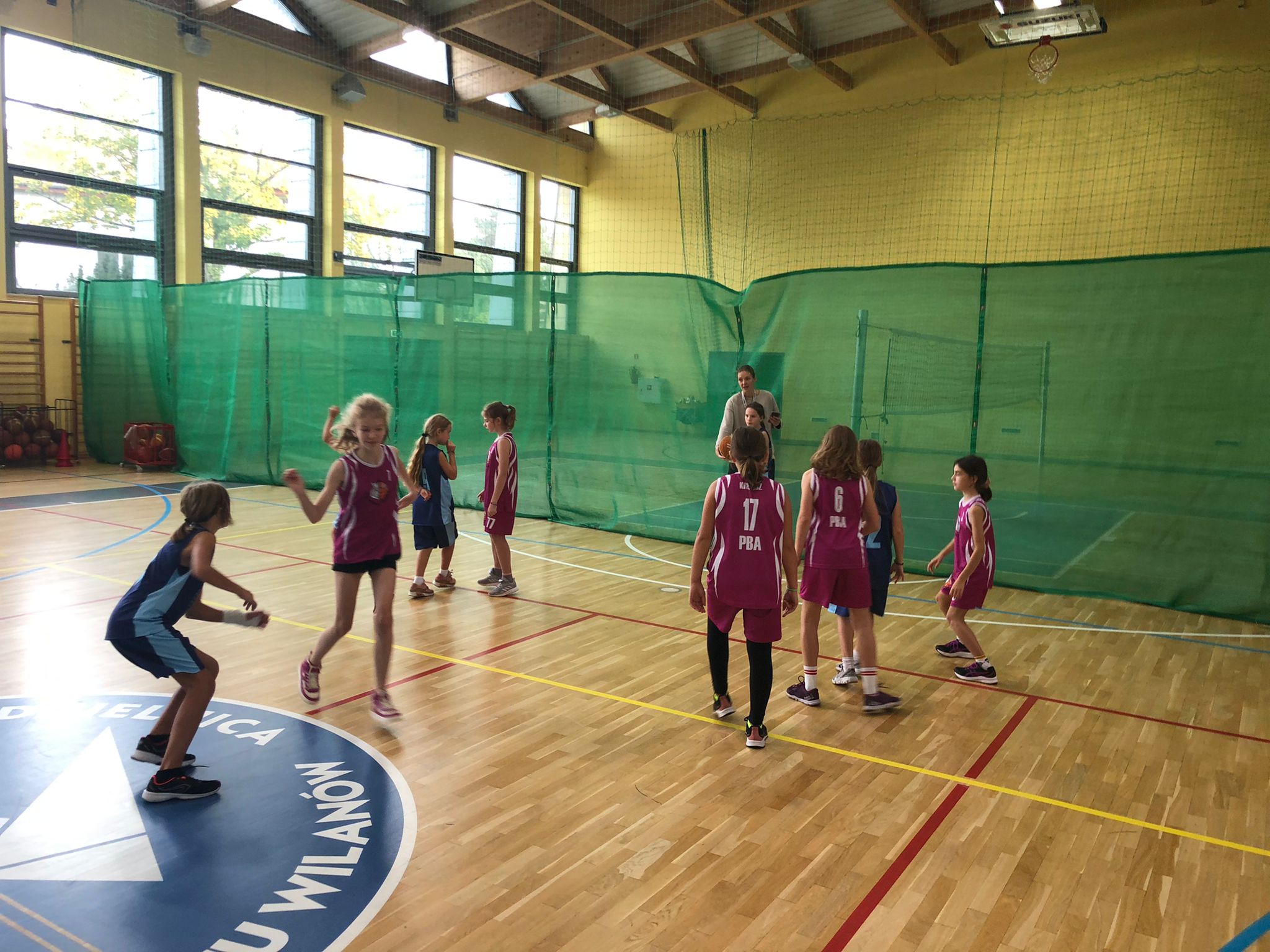
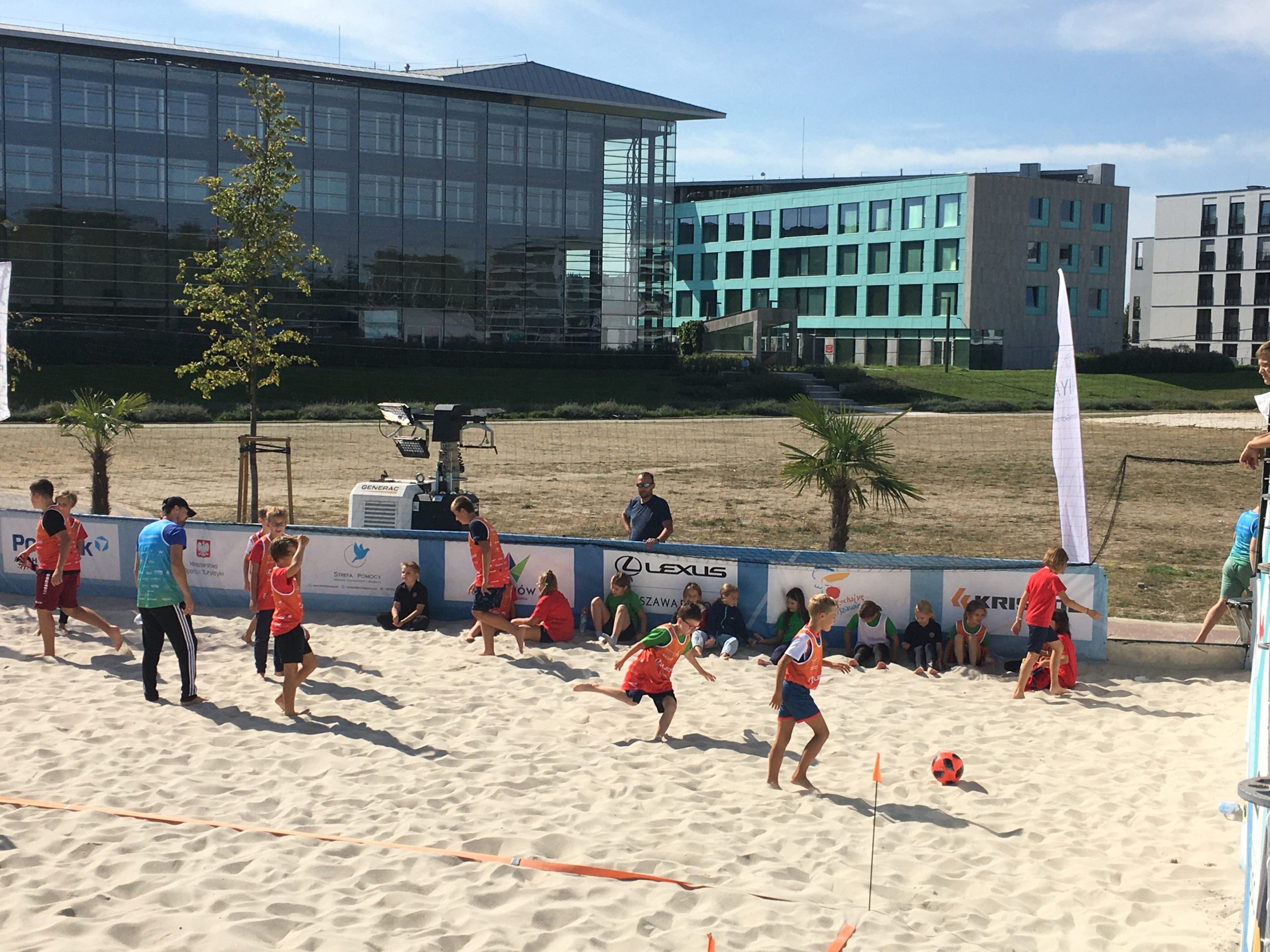
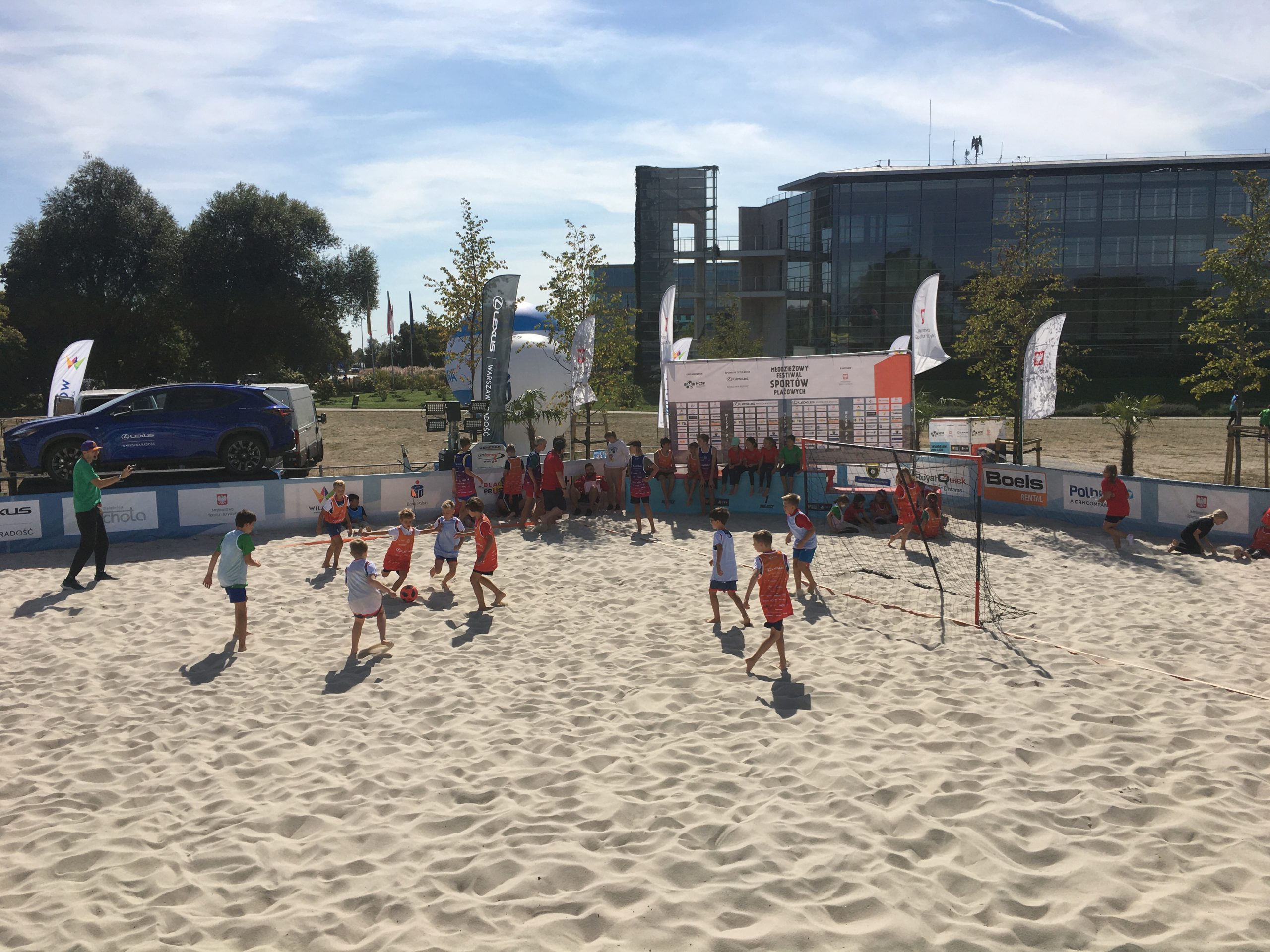
The IMOPEKSIS method is designed to be integrated naturally into regular PE lessons, offering maximum benefit without adding extra burdens for pupils or parents. Additionally, extracurricular activities in the School Sports Club (Szkolny Klub Sportowy – SKS), such as basketball and football, are also conducted using the IMOPEKSIS method under Mr Wojnowski’s guidance.

3.1 Classroom Activities: Examples

Children will take part in a range of enjoyable and enriching activities that demonstrate the method’s unique integration of physical and cognitive development:

  • Motor Exercises: Activities such as balancing on large balls or uneven surfaces improve coordination, core strength, and concentration.
  • Ball Games: Dynamic games involving throwing, catching, and dribbling challenge both the body and mind, requiring problem-solving and quick decision-making.
  • Team Games: Collaborative movement-based games develop social skills such as teamwork, communication, and cooperation.
  • Integrated Tasks: Activities that involve physical movement alongside counting, memory tasks, attention-switching, or logic puzzles stimulate both physical and mental development.

3.2 Supporting Your Child at Home

A key element of IMOPEKSIS is empowering parents as educational partners. Children will bring home practical tips and tools to help reinforce positive habits and extend learning into the home. This might include:

  • Family Reflection Questions: Prompts to spark conversations about skills, habits, and personal development.
  • Ideas for Competency Development: Suggestions for building skills like responsibility or creativity during everyday family routines.
  • Home Activities: Fun and practical exercises to support school learning in a family context.

Parents will also receive brief instructions for implementing the method at home.

4. Why Is IMOPEKSIS Effective?

Effective education is a process where knowledge becomes skill, skills become competencies, and competencies grow into values. Values shape a child’s individual culture, which then influences team culture – and ultimately, society at large.

As adults, we tend to focus on outcomes and systems intended to prepare children for society. Our logic is often shaped by adult concerns and expectations. The IMOPEKSIS method, by contrast, reflects what children genuinely need for effective learning:

  • Movement
  • Emotions
  • Self-expression (A child’s own “imperialism”)
  • Relationships
  • Results
  • Structure

Is it possible that our adult perspective often reverses the true priorities of childhood learning?

4.1 Why Do Children Learn Best From Other Children?

One of IMOPEKSIS’s strengths is that it naturally promotes peer-to-peer learning, which carries significant psychological advantages. Research shows that learning from peers reduces anxiety about making mistakes, a common issue in teacher-student interactions. When a child takes on the role of teacher, they benefit from the “protégé effect” – greater motivation and deeper learning.

Traditional teaching often relies on passive methods like lectures. But long-term retention is achieved through active involvement. This is demonstrated in Edgar Dale’s Cone of Experience, which shows the effectiveness of different learning methods:

  • Teaching others: 90–100%
  • Learning by doing: 80–90%
  • Group discussions: 50–60%
  • Demonstration: 40%
  • Visual aids: 30%
  • Explanation: 20%
  • Lecture: only 10%

IMOPEKSIS empowers children to take control of their learning. It’s not about adults “lowering” themselves to children’s level – it’s about rising to the level of their creativity and curiosity. One telling example comes from a NASA-funded study by George Land and Beth Jarman, which found that 5-year-olds scored 98% on a creativity test. By adulthood, the average dropped to 2%. Traditional education, it seems, stifles natural creative potential.

4.2 Warming Up the Brain, Not Just the Body

IMOPEKSIS includes a unique psychomotor warm-up – not just a physical routine, but a carefully designed process that stimulates various parts of the brain and nervous system. The aim is to synchronise mind and body, preparing children for learning and decision-making in a dynamic environment.

During classes, different brain regions are activated:

  • Left and Right Hemispheres – logic and imagination
  • Frontal Lobe – decision-making and coordination
  • Occipital Lobe – emotions and reactions
  • Upper and Lower Brain Areas – deeper self- and social awareness

This leads to holistic development: cognitive, emotional, social, creative, motor, and mental.

4.3 Brain-Heart Coherence: Learning Social Skills Through Play

Brain-heart coherence refers to the harmonious functioning of emotional and cognitive centres. It supports better emotional regulation, focus, and well-being. IMOPEKSIS fosters this through playful pedagogy – because play is a child’s most natural and effective learning tool. It supports cooperation, communication, and conflict resolution.

Consider the game tail tag. Traditionally, it teaches competition. In the IMOPEKSIS version, the game is redesigned to encourage empathy. Instead of stealing ribbons, players offer each other pebbles, saying “please” – promoting generosity and respect.

This simple change transforms a competitive game into a tool for social learning. Children begin to see that rules can be changed to create a kinder, more inclusive environment – a key lesson in both education and life.

4.4 The Polish Context: How IMOPEKSIS Responds to Today’s Challenges

Today, Polish children spend between 10 and 44 hours a week in front of screens. Only 16.8% of them meet the WHO’s recommendation of at least 60 minutes of moderate physical activity per day. Alarmingly, 94% of children in Years 1–3 lack basic motor skills, indicating a public health crisis.

In this context, IMOPEKSIS is not only an educational innovation but also a vital health intervention. By prioritising movement and integrated development, it helps reverse worrying trends and builds healthier futures for our children.

References:

1. Czym jest IMOPEKSIS? – Imopeksis University,https://imopeksis.university/czym-jest-imopeksis/
2. O nas – Imopeksis.pl https://imopeksis.pl/o-nas/
3. Imopeksis 2.0 | EkstraTrener.pl, https://ekstratrener.pl/imopeksis-2-0/
4. Imopeksis | EkstraTrener.pl, https://ekstratrener.pl/imopeksis-1-0/
5. Tomasz Wilczewski – Leader100 SPORT https://leader100sport.pl/tomasz-wilczewski/
6. Zarządzanie wiedzą w przedsiębiorstwie – modele wykorzystywane w praktycebiznesowejhttps://www.ican.pl/b/zarzadzanie-wiedza-w-przedsiebiorstwie—modele-wykorzystywane-w-praktyce-biznesowej/PVGghFgmK
7. Cztery etapy kompetencji według modelu Burcha – klucz do rozwoju …, https://akademiahr.pl/cztery-etapy-kompetencji-wedlug-modelu-burcha-klucz-do-rozwoju-w-hr-i-prawie-pracy/
8. Cztery poziomy kompetencji, czyli Twoja droga do mistrzostwa https://blog.conlea.pl/cztery-poziomy-kompetencji
9. Rola pedagogiki w kształtowaniu postaw społecznych i wartości u dzieci, https://wwszip.pl/rola-pedagogiki-w-ksztaltowaniu-postaw-spolecznych-i-wartosci-u-dzieci/
10. Wojciech Sroczyński Wartości w pedagogice społecznej – zarys problemu – Bazhum,https://bazhum.muzhp.pl/media/texts/kultura-i-edukacja/2007-numer-1/kultura_i_edukacja-r2007-t-n1-s36-51.pdf
11. Prof. Bartosz Molik: Około 90 proc. dzieci w Polsce nie nadaje się do uprawiania sportu,https://www.prawo.pl/zdrowie/aktywnosc-dzieci-okolo-90-proc-dzieci-w-polsce-ma-problemy,518744.html
12. Badania aktywności fizycznej dzieci i młodzieży. Jest źle! – Informacje – Onet, https://www.onet.pl/informacje/wsip/wyniki-badan-aktywnosc-fizycznej-dzieci-i-mlodziezy-w-polsce/tk221yc,30bc1058
13. Assessing the Merits and Effectiveness of Peer Teaching in Small Groups through the Employment of Different Learning Media2025, https://pmc.ncbi.nlm.nih.gov/articles/PMC10736198/
14. Koherencja serca i umysłu – dlaczego zmieni twoje życie? – NaturaZdrowie.com,https://naturazdrowie.com/2023/05/31/koherencja-serca-i-umyslu-dlaczego-zmieni-twoje-zycie/
15. Koherencja serca, czyli harmonia fizyczna i emocjonalna – Piękno umysłu, otwierano: sierpnia 28, 2025, https://pieknoumyslu.com/koherencja-serca-to-harmonia/
16. (PDF) Tadeusz Huciński, Nauczanie w koszykówce dzieci i młodzieży Wiedza, umiejętności i kompetencje przyszłych olimpijczyków PAŃSTWOWA WYŻSZA SZKOŁA ZAWODOWA W KOSZALINIE – ResearchGatehttps://www.researchgate.net/publication/355573107_Tadeusz_Hucinski_Nauczanie_w_koszykowce_dzieci_i_mlodziezy_Wiedza_umiejetnosci_i_kompetencje_przyszlych_olimpijczykow_PANSTWOWA_WYZSZA_SZKOLA_ZAWODOWA_W_KOSZALINIE
17. Rozwijanie kompetencji emocjonalno-społecznych – eTwinning.plhttps://etwinning.pl/inspiracje-i-materialy/scenariusze/rozwijanie-kompetencji-emocjonalno-spolecznych
18. Zabawy rozwijające umiejętności społeczne – Przedszkole z Oddziałami Integracyjnymi, https://pzoidobrodzien.szkolnastrona.pl/art,137,zabawy-rozwijajace-umiejetnosci-spoleczne
19. Informatyka na dziś – Piramida Zapamiętywania https://www.drmalinowski.edu.pl/posts/2707
20. Mgr Dorota Rożek Warszawa – Wyd. Lek. PZWL, https://cybra.lodz.pl/Content/4967
21. Piramida uczenia się w kontekście dwujęzyczności – Bilingual kid,https://bilingual-kid.com/piramida-uczenia-sie-w-kontekscie-dwujezycznosci/
22. Dlaczego nauka w trybie peer-to-peer jest skuteczna? – Laerdal Medical, https://laerdal.com/pl/information/why-peer-to-peer-learning-sticks/
23. Your Child is Likely a Genius, but NASA Study Suggest Traditional Schooling Will Make Them Mediocre. – Amblefordhttps://ambleford.com/your-child-is-likely-a-genius-but-nasa-study-suggest-traditional-schooling-will-make-them-mediocre/
24. 1: Dr. Land’s NASA Study 98% of children start as creative geniuses, but only 2% keep that spark into adulthood – Play Homeschool: Parenting Tips for Growth and Potentialhttps://play-homeschool-parenting-tips-for-growth-and-potential.captivate.fm/episode/george-lands-nasa-study-found-that-98-of-children-start-as-creative-geniuses-but-only-2-keep-that-spark-into-adulthood
25. 1: NASA Divergent Thinking Creativity Test by Dr. Land Children Are Geniuses, https://eschool.montessorifromtheheart.com/show-notes-1-nasa-land-children-are-born-creative-geniuses
26. George Land and the NASA Study – Professor Matt W, otwierano: sierpnia 28, 2025, https://www.professormattw.com/post/george-land-and-the-nasa-study
27. When You Say You’re Not Creative… | Psychology Todayhttps://www.psychologytoday.com/us/blog/adventures-in-divergent-thinking/201901/when-you-say-you-re-not-creative
28. Jak wielcy sportowcy radzą sobie ze stresem. “W sytuacjach kryzysowych zawodnik jest podwójnie zmotywowany” – Wiadomości Onet,https://wiadomosci.onet.pl/kraj/euro-2024-sekrety-psychiki-pilkarzy-jak-sportowcy-radza-sobie-z-kontuzjami-i-presja/4cf8325
29. Nauka przez zabawę – 5 pomysłów na wspieranie rozwoju dziecka – Czytam Sobiehttps://czytamsobie.pl/nauka-przez-zabawe-5-pomyslow-na-wspieranie-rozwoju-dziecka
30. Jak nauka poprzez zabawę wpływa na rozwój dziecka? – Uniwersytet Rozwoju Katowice https://uniwersytetrozwoju.pl/jak-nauka-poprzez-zabawe-wplywa-na-rozwoj-dziecka/
31. Metoda Nauki Przez Zabawę: Teoria Wygotskiego – SP 7,, https://www.sp-7.pl/nauka-poprzez-zabawe-przyklady/
32. Klinika Imopeksis #01: Wprowadzenie | Tomasz Wilczewski & Marta Włodarczyk – YouTubehttps://www.youtube.com/watch?v=QdTkl6H4SWs
33. Ekran w małych rączkach – szansa czy zagrożenie? – NASK, otwierano: sierpnia 28, 2025, https://www.nask.pl/magazyn/male-dzieci-i-ekrany
34. Aż 42,7% dzieci w wieku od 4 do 9 lat korzysta ze smartfona – Krajowa Rada Radiofonii i Telewizji – Gov.pl, otwierano: sierpnia 28, 2025, https://www.gov.pl/web/krrit/az-427-dzieci-w-wieku-od-4-do-9-lat-korzysta-ze-smartfona

35. https://imopeksis.pl/inicjatywy/
36. Tylko około 17% dzieci w Polsce jest aktywnych fizycznie. Jak w mądry sposób zachęcać najmłodszych do uprawiania sportów? https://38pr.prowly.com/341059-tylko-okolo-17-dzieci-w-polsce-jest-aktywnych-fizycznie-jak-w-madry-sposob-zachecac-najmlodszych-do-uprawiania-sportow